
 Design Your Life or Someone Else Will
What a Lifestyle Built on Values, Freedom, Time, and Mindset Actually Looks Like
A Slightly Uncomfortable Truth
“Most people are not living their lives — they are managing obligations someone else designed.”
For decades the default life blueprint looked like this:
School → Job → Work 40+ years → Retire → Finally live.
But something strange is happening.
More people are starting to ask a dangerous question:
What if life wasn’t meant to be postponed?
What if the goal wasn’t survival until retirement…
but designing a life that actually feels like living right now?
This is where the idea of Lifestyle by Design enters the conversation.
It’s not about luxury.
It’s about alignment.
A lifestyle built around values, freedom, time, and mindset is less about escaping responsibility and more about reclaiming authorship over your life.
Let’s break down what that actually looks like.
1. The Foundation: Living by Values Instead of Expectations
Most people operate on borrowed priorities.
Society says:
- Success = income
- Productivity = constant busyness
- Achievement = status
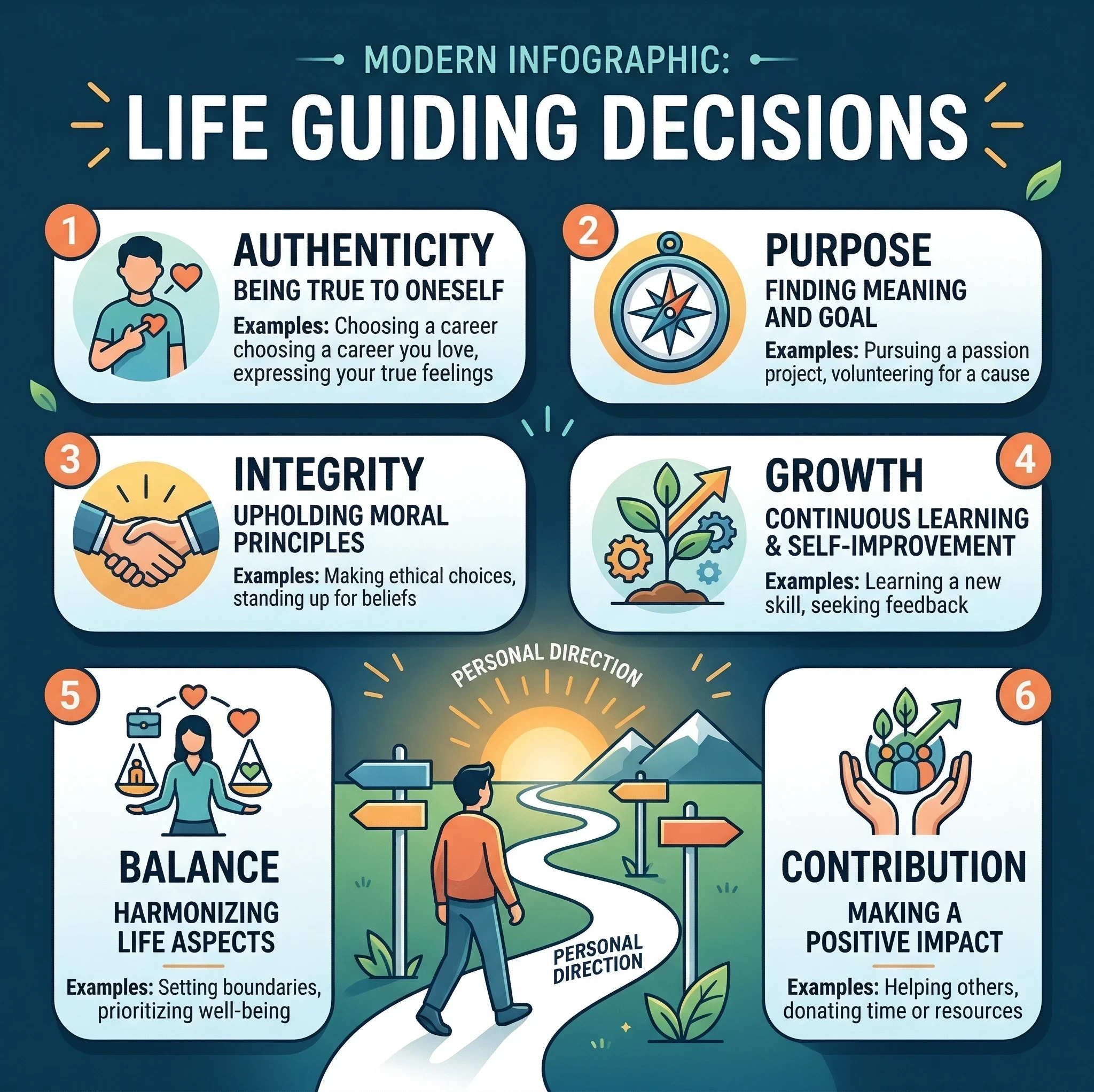
But when someone begins living values-first, everything changes.
Values become a decision filter.
Before saying yes to anything, the question becomes:
Does this align with the life I’m trying to build?
Not:
- Does this impress people? or
- Does this look successful? or
- Will others approve?
Examples of Value-Driven Living
A person whose core value is family might:
- Choose to work fewer hours;
- prioritize having dinner with loved ones; or
- decline career moves that require relocation
Someone whose value is creativity might:
- want to choose flexible work; and
- choose to dedicate daily time to art, writing, or building projects
Someone whose value is freedom might:
- want to pursue location-independent work; or
- reduce my lifestyle expenses; or
- design flexible schedules
When your values guide decisions, something powerful happens:
Life becomes simpler.
Choices become clearer, and the constant tension between who you are and how you live disappears.
2. Radical Freedom (And Why Most People Misunderstand It)
Freedom is often confused with doing nothing.
But real freedom is something different, it’s choice.
Freedom means you decide:
- exactly how you spend your day;
- who you decide to spend time with;
- where you want to live; and
- what work you wish to pursue?
It’s the ability to say two powerful words: No thanks.
Freedom Means Boundaries
People living a designed lifestyle protect their time carefully.
They decline things like:
- any unnecessary meetings;
- all draining social obligations; and
- any work that violates their values
Not because they are selfish, but because attention is limited.
Every “yes” to something misaligned is a no to the life you want.
Location Independence
Many freedom-focused lifestyles also involve location flexibility.
This can look like:
- working remotely;
- digital entrepreneurship;
- doing consulting;
- having freelance careers; and
- building or owning creative online businesses
This allows people to live comfortably:
- nearer to nature;
- nearer to their family members
- or even while they’re traveling the world
The goal isn’t the travelling itself, but the choice.

3. Time Ownership: The Most Valuable Currency on Earth
Most people treat money like it’s their most valuable resource.
But the people designing intentional lives understand something deeper.
Time is the real currency of life.
You can always earn more money, but you cannot earn more time.
The Shift from Hours to Value
Traditional systems reward, time spent working.
Designed lifestyles reward, value created.
This shift often leads to things like:
- automation
- delegation
- smart systems
- technology leverage
Instead of looking to working more hours, people are now, focused on creating more impact per hour.
Intentional Scheduling
People living by design often structure their day intentionally.
A “perfect day” might include, such activity as:
- doing their morning exercise,
- doing some creative work
- enjoying some family time,
- spending time learning something new or useful
- or just resting or reflecting
The goal is not maximum productivity, it’s creating sustainable energy.
Mini-Retirements
Some people also adopt the idea of mini-retirements.
Instead of waiting until age 65 to live fully, they periodically step away to:
- travel,
- learn new skills,
- spend extended time with family, or
- just recharge mentally
Its retirement distributed throughout life, not postponed until the end.
4. Mindset: The Invisible Engine Behind the Lifestyle
None of this works without the right mental framework.
The mindset behind lifestyle design involves a shift from scarcity thinking to possibility thinking.
Self-Trust
Traditional systems condition people to wait for permission.
Permission
· to change careers,
· to rest or
· to pursue creative ideas, or
· to just take risks
People who design their lives eventually realize something:
No one is coming to give them permission.
They develop the courage to trust their own rhythm.
Resilience
Living differently comes with challenges.
There will be:
- uncertainty,
- criticism,
- setbacks,
- even failed experiments
But those pursuing lifestyle design treat mistakes as data not defeat.
Intentional Awareness
Many people living this lifestyle adopt simple reflection practices like:
- spending time journaling;
- some quiet meditation;
- doing their daily planning; or
- simply reviewing the weeks activities
These practices help maintain alignment between goals and actions.
Tools That Help Build a Lifestyle by Design
Some tools that help people manage focus, productivity, and personal development include:
- productivity planners;
- focus timers;
- mindfulness applications;
- journaling systems; and
- personal development books
Examples you might explore include:
- habit trackers
- deep work planners
- guided journals
Amazon Affiliate Disclaimer
As an Amazon Associate, we may earn from qualifying purchases. This comes at no additional cost to you and helps support the creation of helpful content.
The Hidden Challenge of Lifestyle Freedom
Here’s the paradox.
Freedom is exciting, but it also comes with responsibility.
When you design your life, there is no one else to blame.
You must decide:
- how you want to spend your time;
- what goals matter the most; and
- what do success actually means
For many people, this level of ownership is uncomfortable.
But for others, it becomes the most empowering realization of their lives.
The Real Question
Most people ask the question:
How do I get rich?
But a more powerful question might be:
How do I build a life I don’t need to escape from?
Money can help, Success can help., but neither guarantees fulfillment.
Only intentional design does.

Final Thought
“At the end of life, people rarely regret working too little. They normally regret living too little.”
A life built on values, freedom, time, and mindset is not about abandoning responsibility.
It’s about living deliberately instead of accidentally.
The real tragedy isn’t failing.
The real tragedy is spending decades climbing a ladder only to discover it was leaning against the wrong wall.
So, the real question is simple:
Are you living the life you chose — or the one you inherited?
Call to Action
If this perspective challenged you even slightly, take one small step today:
Spend 10 minutes writing down the life you actually want.
Not the one society recommends.
The one that feels authentically yours.
That small moment of clarity might be the first step toward designing a life instead of drifting through one.