
Trinidad and Tobago is not just another Caribbean destination — it is one of the most biologically diverse countries per square mile in the world. Sitting just off the coast of South America, the twin-island nation hosts an extraordinary mix of indigenous wildlife, blending Caribbean and South American species in ways found nowhere else on Earth.
From the brilliant red wings of the Scarlet Ibis to the haunting calls of Red Howler Monkeys, Trinidad and Tobago’s fauna tells a story of evolution, migration, and survival that continues to fascinate scientists and nature lovers alike.
Why Trinidad and Tobago Has Such Rich Biodiversity
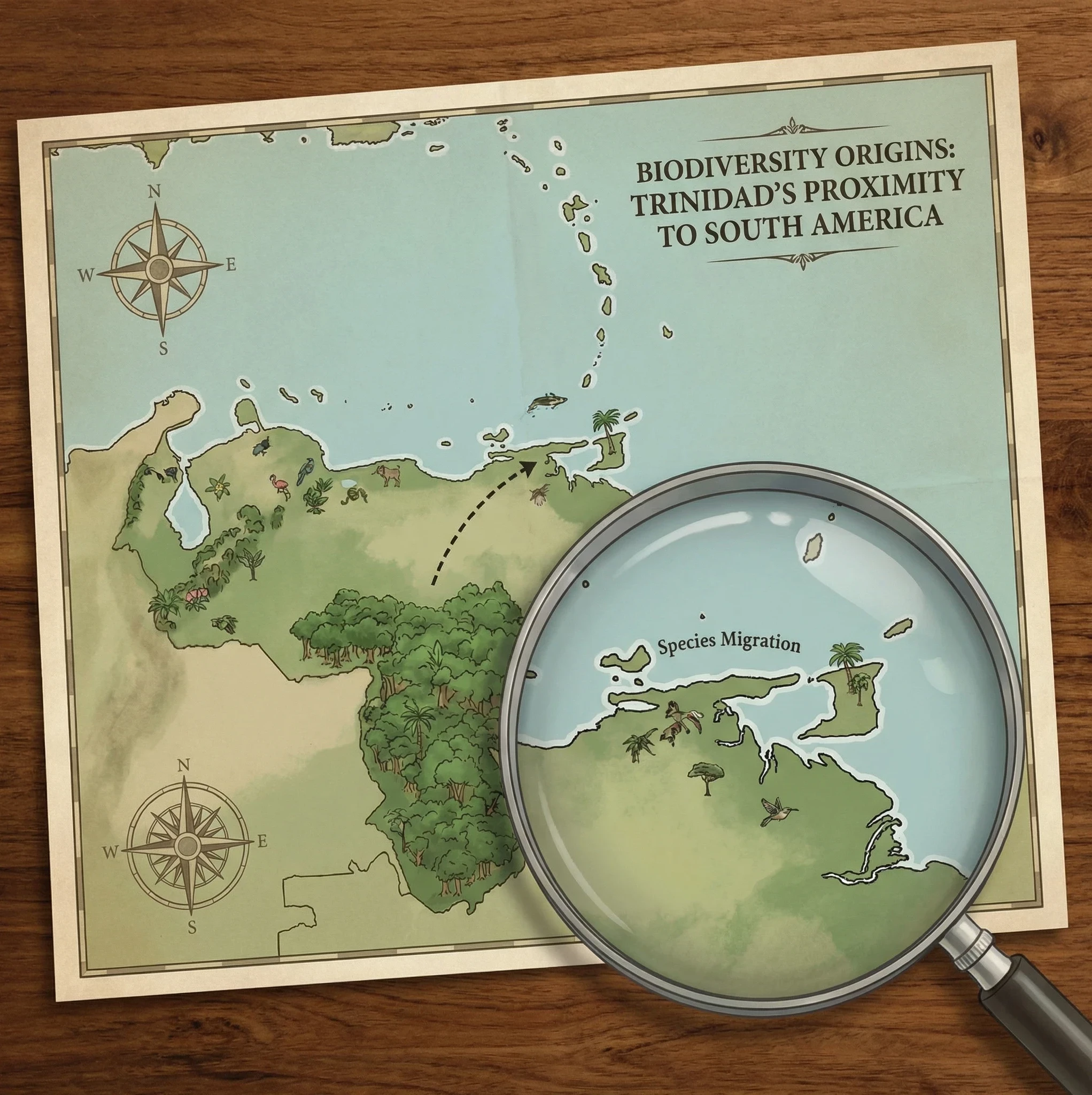
Unlike many Caribbean islands, Trinidad was once connected to South America. This geological history explains why the country shares more wildlife with Venezuela than with other islands, making it a hotspot for endemic and indigenous species.
Indigenous Mammals of Trinidad and Tobago
🐒 Primates
Trinidad and Tobago is one of the few Caribbean nations with native monkeys:
- Red Howler Monkey – Known for its powerful dawn calls
- White-fronted Capuchin – Intelligent and social forest dweller
🐆 Carnivorous Mammals
- Ocelot – Elusive spotted wild cat
- Tayra – Agile mustelid related to otters
- Crab-eating Raccoon
- Neotropical River Otter
🐿️ Rodents & Other Mammals
- Agouti
- Paca
- Long-tailed Porcupine
- Nine-banded Armadillo
- Opossums
- Anteaters (Silky Anteater & Southern Tamandua)
🌊 Marine Mammals
- West Indian Manatee – Rare and protected coastal species
🦇 Bats (A Major Ecological Force)
Trinidad hosts dozens of bat species, including:
- Nectar-feeding bats (pollinators)
- Fruit bats (seed dispersers)
- Insectivorous bats (natural pest control)
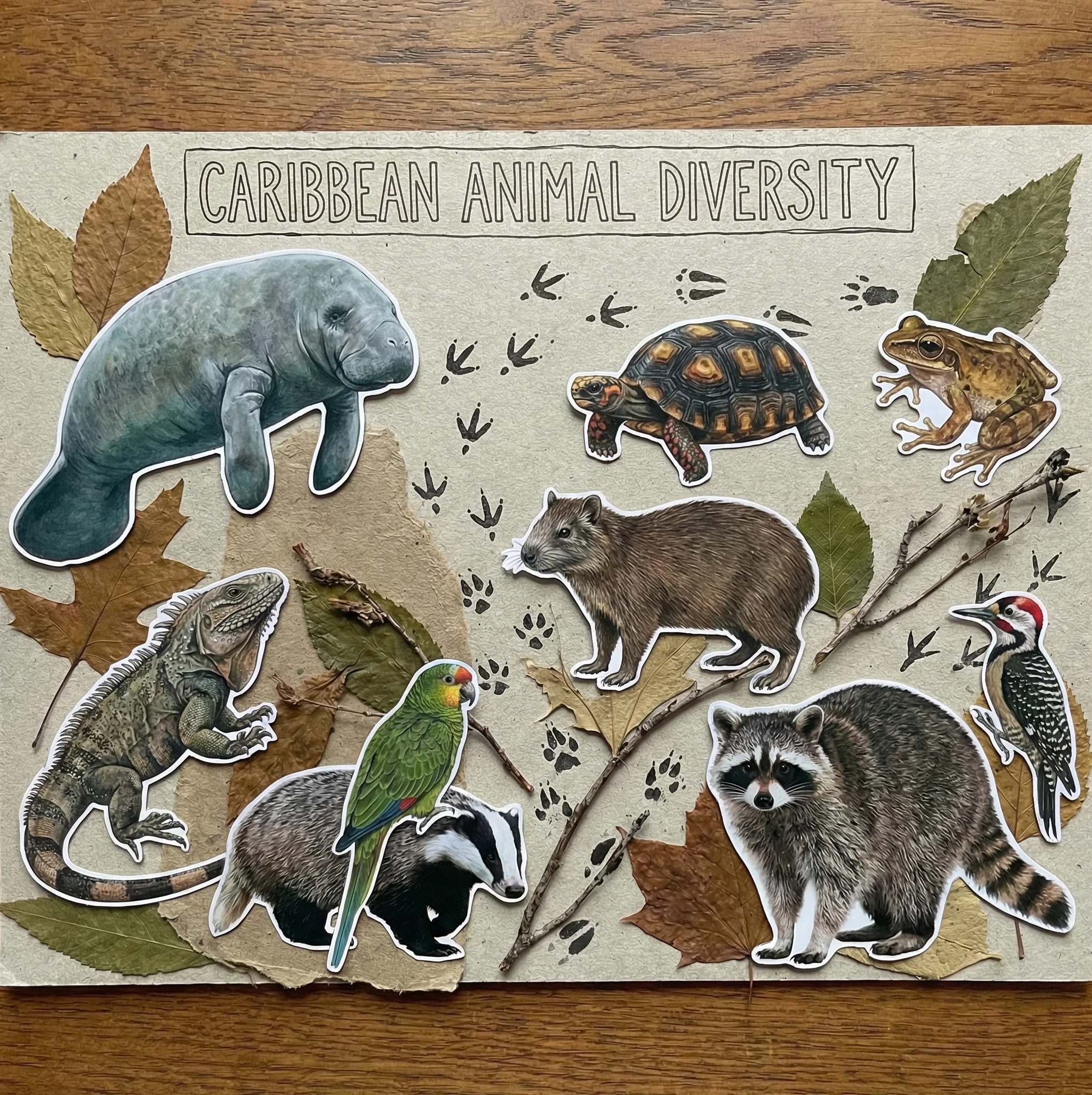
Birds of Trinidad and Tobago: A Birdwatcher’s Paradise
🇹🇹 Iconic and National Birds
- Scarlet Ibis – National bird of Trinidad
- Cocrico – National bird of Tobago
- Trinidad Piping Guan (Pawi) – Critically endangered
🐦 Diverse Birdlife
- Hummingbirds (including one of the world’s smallest)
- Toucans
- Parrots and Parakeets
- Tanagers
- Hawks and Falcons
- Egrets and Pelicans
🧬 Endemic Bird Species
- Trinidad Motmot
- White-tailed Sabrewing
- Trinidad Piping Guan
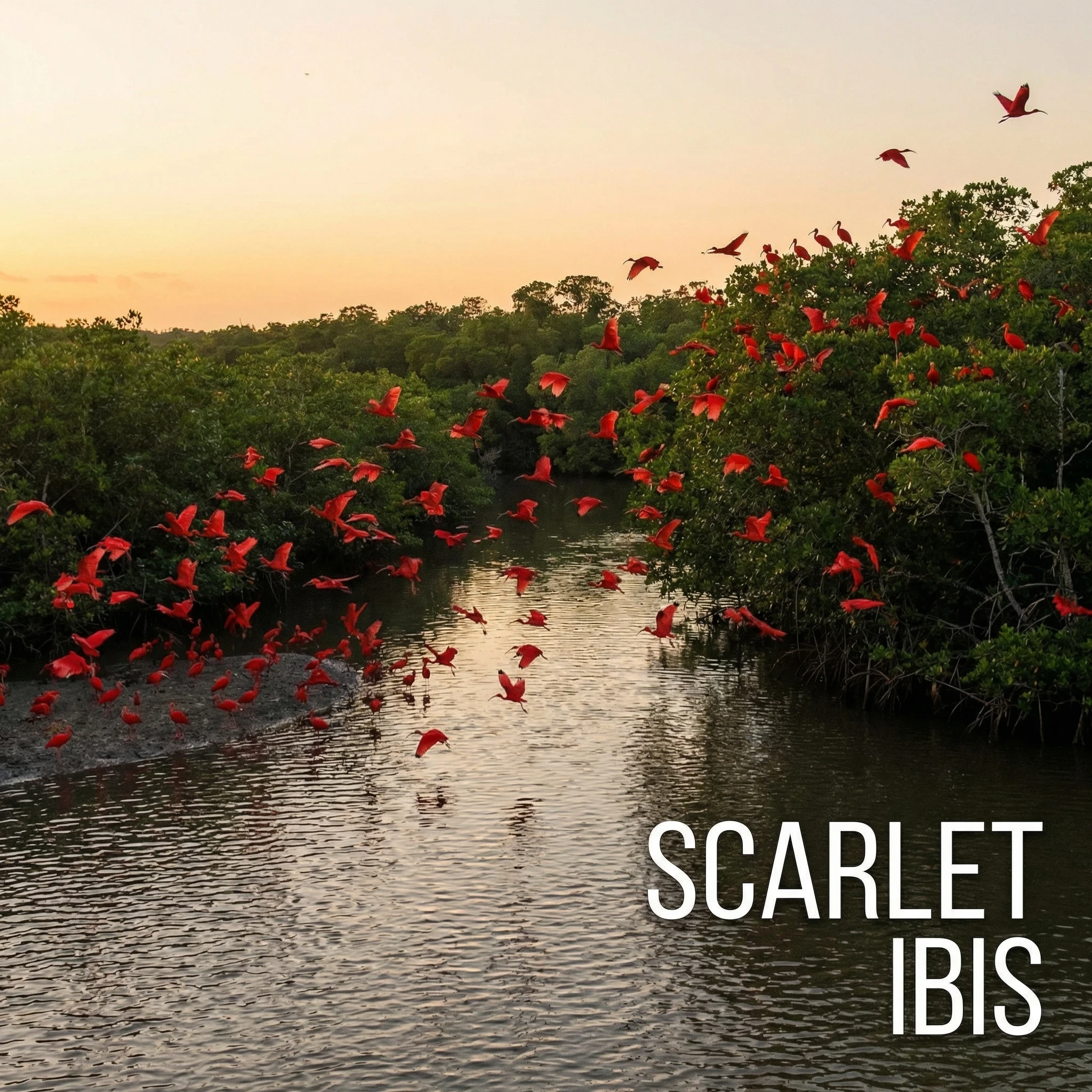 Scarlet Ibis flock in Caroni Swamp
Reptiles and Amphibians of Trinidad and Tobago
🐊 Reptiles
- Spectacled Caiman
- Green Iguana
- Endemic Coral Snake
- Sea Turtles:
-
- Leatherback
- Loggerhead
- Hawksbill
- Green Turtle
- Olive Ridley
Trinidad is globally recognized as a major nesting site for Leatherback Turtles.
🐸 Amphibians
- Golden Tree Frog
- Trinidad Stream Frog
- Cane Toad
- Yellow-throated Frog (Mannophryne trinitatis)
📸 Suggested Image Placement #4:
Leatherback turtle nesting scene
Purpose: Highlight conservation importance
Invertebrates: The Hidden Majority
Trinidad and Tobago support:
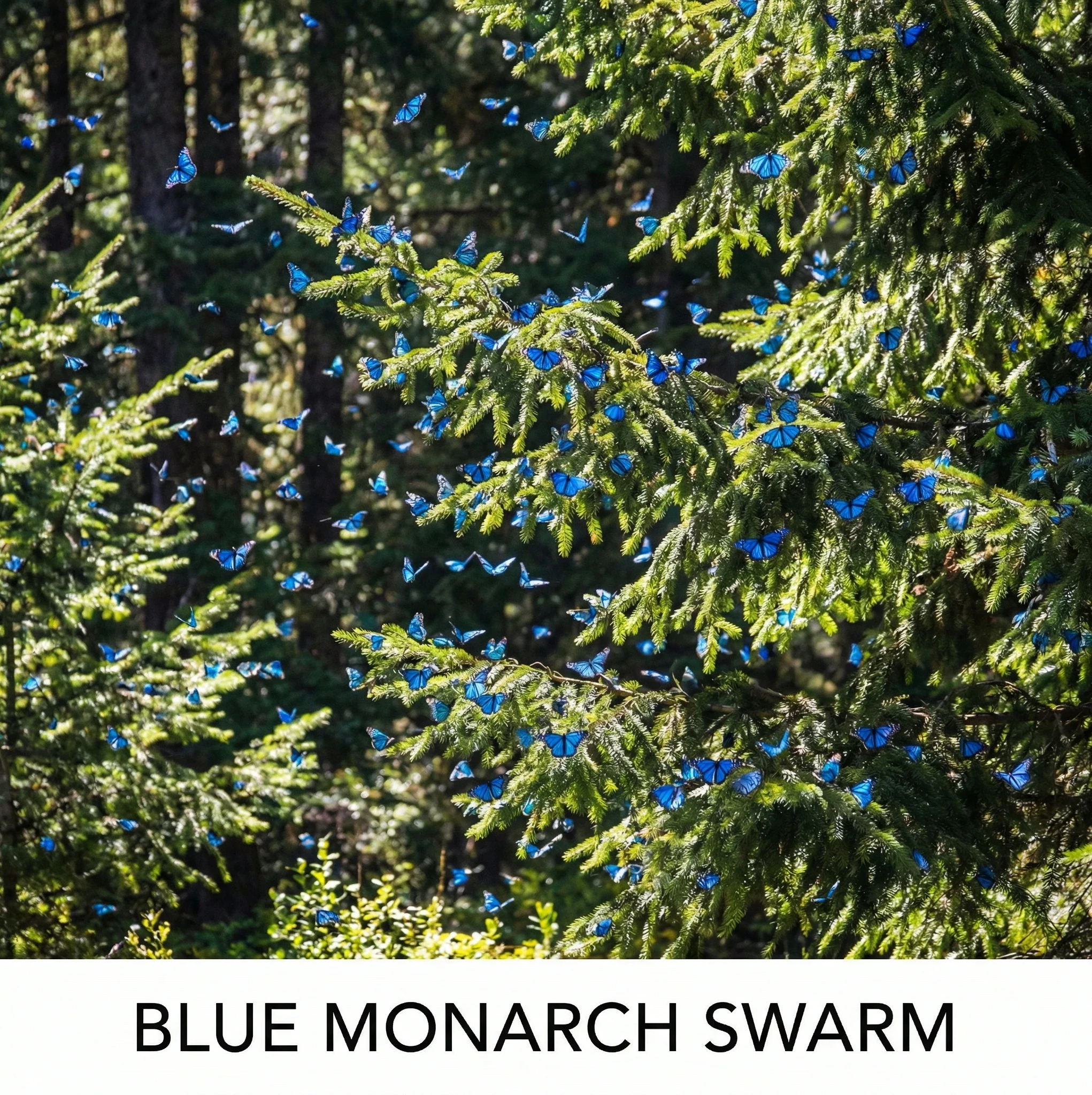
- Over 600 butterfly species
- Beetles
- Ants
- Spiders
- Tarantulas
These species play crucial roles in pollination, decomposition, and ecosystem balance.
 Unique and Endemic Species Found Nowhere Else
Some species exist only in Trinidad and Tobago, making conservation critical:
- Luminous Lizard (Proctoporus shrevei)
- Trinidad Motmot (Momotus bahamensis)
- Golden Tree Frog (Phyllodytes auratus)
- Yellow-throated Frog (Mannophryne trinitatis)
These species are living proof of the islands’ unique evolutionary path.
Conservation and the Future of Indigenous Wildlife
Rapid urbanization, habitat loss, and climate change threaten many native species. Conservation areas, wildlife education, and sustainable tourism are essential to preserving Trinidad and Tobago’s natural heritage.
Best internal/affiliate link placement:
After this section → conservation programs, eco-tourism tours, wildlife education resources.
In Closing
Trinidad and Tobago’s indigenous fauna is more than a list of species — it is a living archive of natural history shaped by time, geography, and resilience.
Protecting this biodiversity isn’t just about saving animals.
It’s about preserving identity, balance, and a legacy that belongs not only to the Caribbean — but to the world