
When Influence Exists Without a Title
Not all power wears a badge.
Some of the most influential people in an organization don’t sit at the top of the org chart — yet everyone listens when they speak. That quiet influence can move teams forward… or quietly pull them apart.
This is the challenge of informal power.
What Is Informal Authority?
Informal authority is the ability to influence others without a formal title or positional power. It is rooted in:
- Trust
- Expertise
- Reputation
- Personal credibility
- Relationships
In modern, agile organizations — especially knowledge-based, remote, or cross-functional teams — informal authority is often more influential than formal hierarchy.
Yet, when unmanaged, it becomes one of the most misunderstood and risky forms of power.

The Challenges Facing Informal Leaders
Operating with informal authority means leading without protection.
1. The Legitimacy Gap
Without a title, informal leaders often face silent resistance:
“Who put you in charge?”
Their ideas may be respected — but their right to lead is questioned.
2. Accountability Without Power
Informal leaders are frequently held responsible for outcomes, yet lack:
- Authority to assign tasks
- Performance management tools
- Enforcement mechanisms
This creates a dangerous imbalance between responsibility and control.
3. Competing Priorities
Requests from informal leaders must compete with:
- Formal directives
- Manager-assigned tasks
- Organizational KPIs
Even strong influence can lose against official authority.
4. The Sustainability Burden
Titles endure. Informal authority doesn’t.
It must be:
- Re-earned daily
- Reinforced through behavior
- Maintained through trust
One misstep can erode years of credibility.
5. The Recognition Gap
Many informal leaders:
- Carry leadership weight
- Mentor others
- Resolve conflicts
- Drive initiatives
Yet receive:
- No title
- No compensation adjustment
- No formal acknowledgment
This often leads to disengagement or attrition.
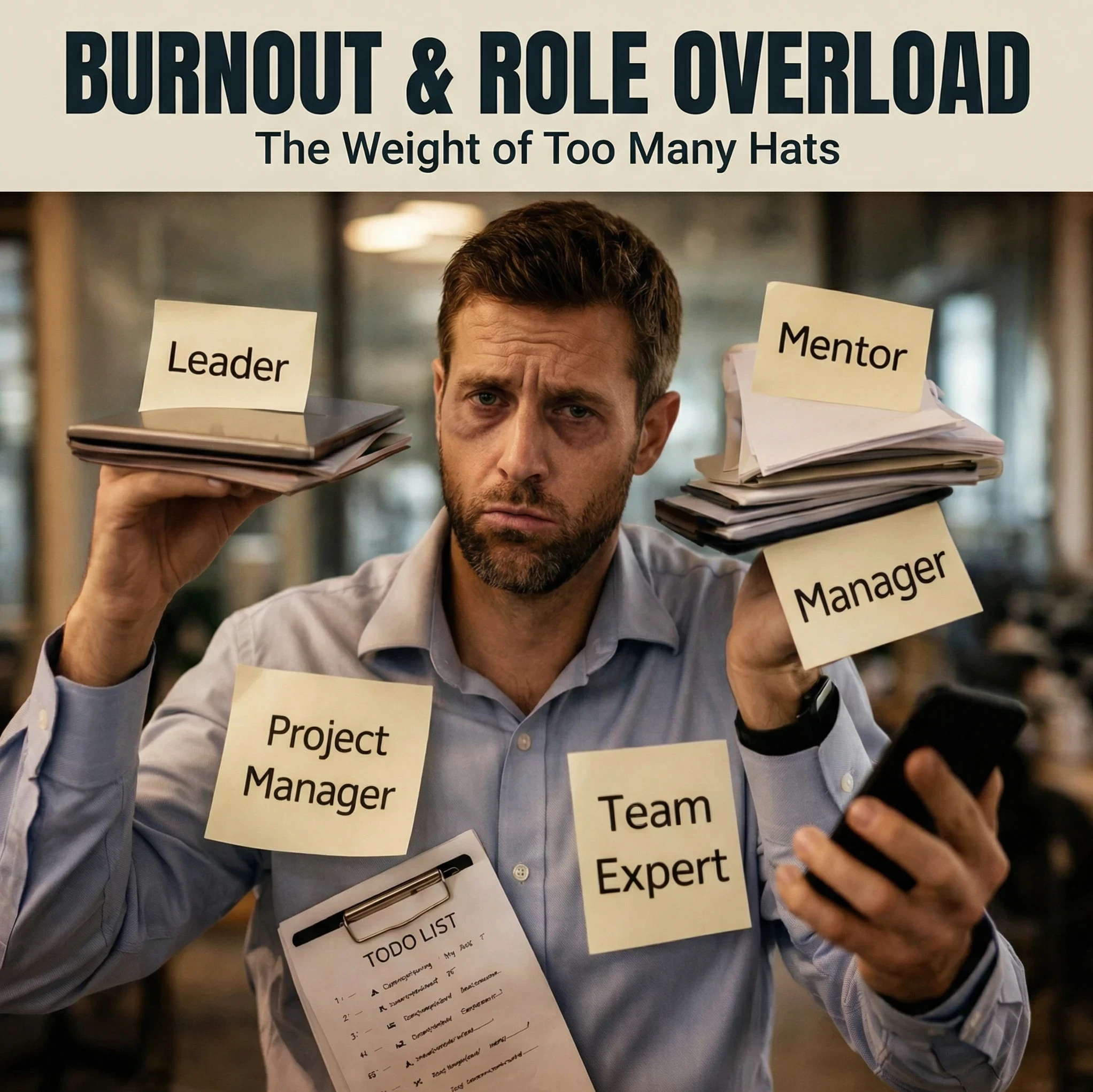
6. Role Ambiguity and Burnout
Informal leaders frequently experience:
- Job creep
- Unclear boundaries
- Emotional exhaustion
Research from Gallup shows that employees who take on unrecognized leadership responsibilities are significantly more likely to experience burnout.
The Organizational Risks of Informal Power
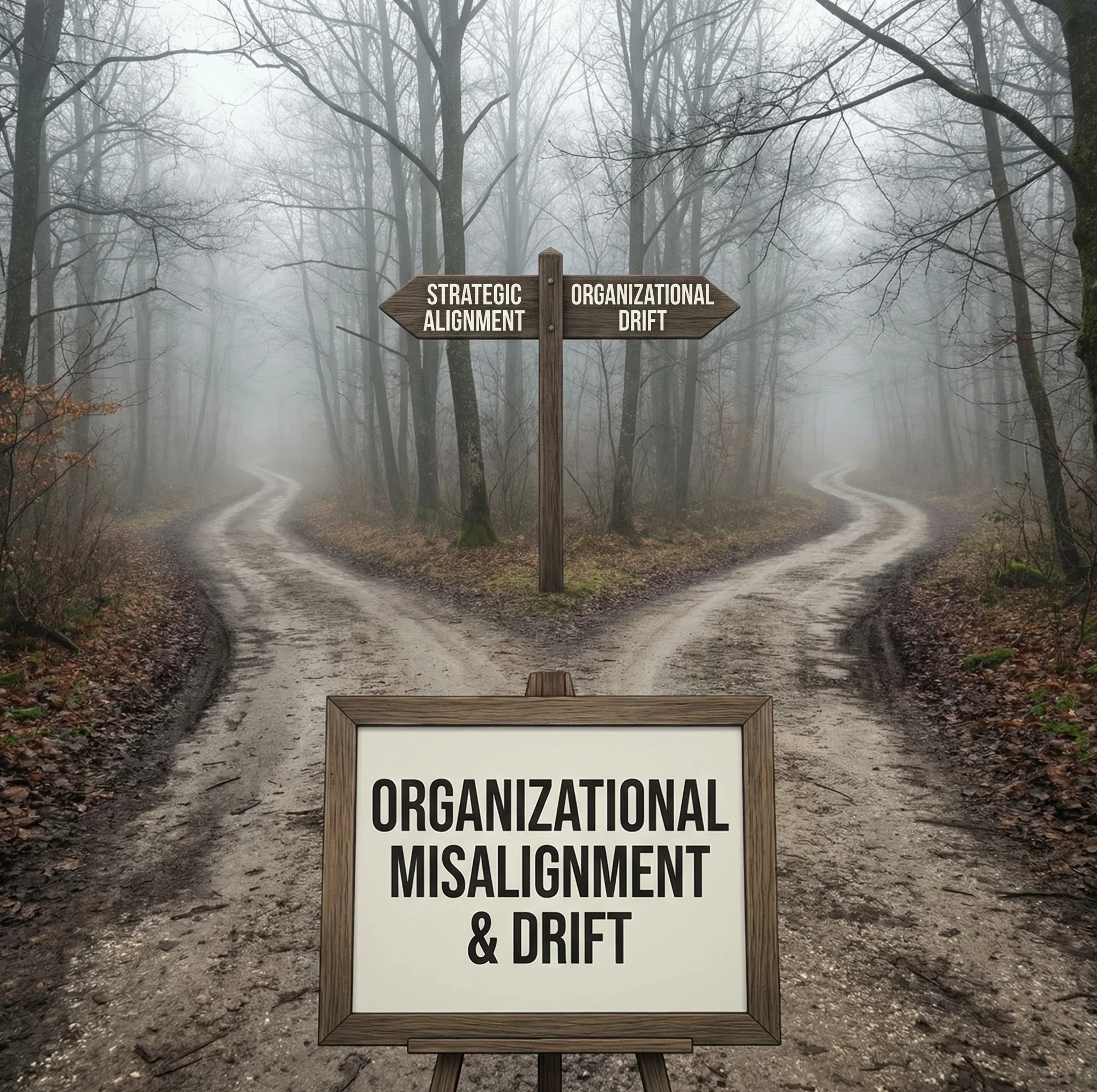
When informal authority is ignored or unmanaged, it creates systemic risk.
1. Undermining Formal Authority
Informal leaders can unintentionally form a shadow hierarchy, where:
- Official decisions are questioned
- Managers lose credibility
- Teams become confused about direction
2. Gossip and Misinformation
Informal networks move faster than official channels.
Without alignment:
- Rumors spread
- Messages distort
- Trust erodes
Harvard Business Review notes that informal communication networks often shape employee beliefs more than formal messaging.
3. Resistance to Change
Highly respected informal leaders can quietly stall transformation by:
- Signaling skepticism
- Withholding enthusiasm
- Influencing peer sentiment
Change fails not through rebellion — but through quiet non-commitment.
4. Leadership Inconsistency
Without training, informal leaders apply:
- Different leadership styles
- Different conflict approaches
- Different values
This fragments culture and creates uneven employee experiences.
Strategies to Manage the Challenge of Informal Power
For Individuals: Build a “Portfolio of Influence”
Effective informal leaders develop multiple forms of value:
- Technical expertise
- Mentorship
- Reliability
- Emotional intelligence
- Reciprocity
Influence becomes mutual, not coercive.
For Managers: Identify and Integrate Informal Leaders
Smart organizations:
- Map informal influence early
- Include informal leaders in change initiatives
- Provide leadership and communication training
- Acknowledge their role openly
This converts hidden influence into strategic advantage.
Formalize When Necessary
When informal authority becomes critical:
- Assign official project leadership
- Clarify accountability
- Align authority with responsibility
Formalization isn’t bureaucracy — it’s protection.

Keywords (SEO Placement Guidance)
Primary Keywords:
- Informal authority in organizations
- Informal power at work
- Leadership without title
Secondary Keywords:
- Workplace influence
- Organizational leadership challenges
- Informal leadership burnout
- Power dynamics in companies
👉 Best placed in:
- Title
- First 150 words
- Subheadings
- Conclusion
Thought-Provoking Closing
Informal power is neither good nor bad — it is inevitable.
The real risk isn’t that it exists.
The risk is pretending it doesn’t.
Organizations that learn to recognize, guide, and respect informal authority don’t just reduce friction — they unlock leadership where it already lives.
Because the future of leadership won’t belong only to those with titles…
It will belong to those who understand influence.